Booking a Storm Chasing Tour
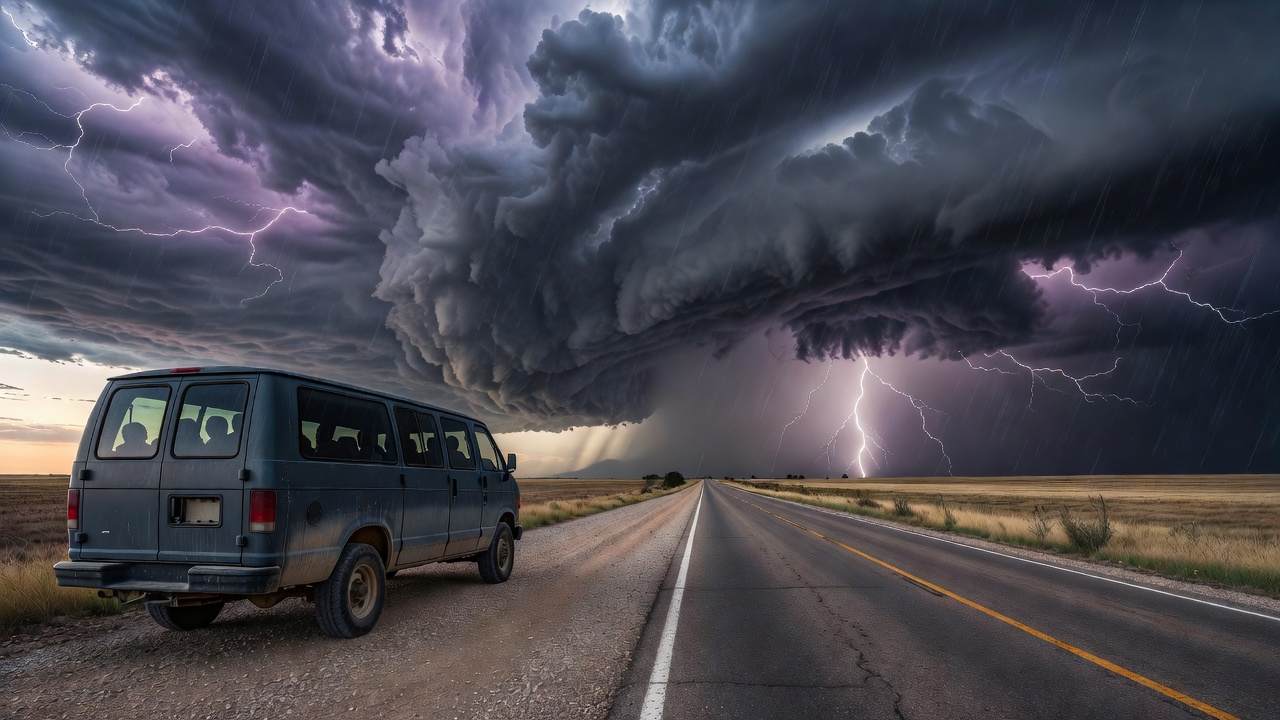
For those who wish to experience the raw power of Tornado Alley without investing tens of thousands of dollars in modified vehicles, meteorological equipment, and years of educational study, guided storm chasing tours offer an incredible alternative. By joining a professional tour, you place the complex responsibilities of forecasting, navigation, and risk management into the hands of seasoned experts, allowing you to focus entirely on photography and the sheer awe of the experience. Here is what you need to know before booking your expedition.
1. What to Expect from a Tour
A realistic mindset is the most crucial item you can bring on a storm chasing tour. The atmosphere does not operate on a scheduled itinerary. While the primary goal is always to intercept severe rotating thunderstorms and tornadoes, a significant portion of a tour involves long, grueling hours of driving. It is not uncommon to drive 400 to 600 miles in a single day, traversing states like Texas, Oklahoma, Kansas, and Colorado, just to reach the target area. You must be prepared for the realities of life on the road: eating fast food or gas station snacks at odd hours, erratic bathroom breaks, and enduring "down days" when high-pressure systems suppress storm development.
During these down days, reputable tour operators often pivot to educational mode, teaching meteorology basics, visiting national parks, or touring meteorological facilities like the National Weather Center in Norman, Oklahoma. When a chase day does materialize, the pace changes instantly from monotonous driving to high-intensity, rapid-fire intercepts. Guests are expected to follow instructions immediately and move swiftly in and out of the van to ensure safety and maintain optimal positioning.
2. Selecting a Reputable Operator
The storm chasing tour industry is largely unregulated, meaning anyone with a van and a radar app can technically offer tours. It is imperative that you conduct rigorous research before handing over your money. Look for companies with a long, documented history of operation—ideally a decade or more. Examine the credentials of the tour directors and drivers. The best operators employ degreed meteorologists or veterans with thousands of hours of documented field experience.
Safety records should be your primary concern. Avoid operators that market themselves using hyper-aggressive language or promise "guaranteed" tornado intercepts. Nature cannot be guaranteed, and chasing that deeply prioritizes proximity over safety leads to dangerous situations. Read independent reviews on travel forums and seek operators that emphasize structural appreciation, photography, and passenger safety over reckless thrill-seeking. Ensure the company utilizes modern, well-maintained multi-passenger vans equipped with the necessary communication and data-gathering technologies.
3. Tour Logistics and Timing
Tours typically run in one-week or ten-day blocks during the peak severe weather season, which spans from late April through June. Most operators base their logistics out of major hub cities in the central United States, such as Denver, Colorado; Oklahoma City, Oklahoma; or Dallas, Texas. Guests fly into the designated hub city, meet the tour group, and depart from there.
Accommodation is handled by the tour company, usually consisting of standard highway motels (e.g., Holiday Inn Express, Super 8). Because the target area changes daily based on weather models, you will sleep in a different town, and often a different state, almost every night. Flexibility is built into the pricing; tours generally cover the cost of the lodging and ground transportation, while guests are responsible for their own meals, flights to the hub city, and personal expenses.
4. Packing Essentials
Packing light and packing smart are the keys to a comfortable tour. Space in the vans is severely limited; guests are typically restricted to one medium-sized soft duffel bag and one small camera backpack. Hard-sided luggage is strongly discouraged. Clothing should be highly adaptable. The Great Plains in spring can exhibit massive temperature swings—you might experience 90°F heat and high humidity in the afternoon, followed by a 40°F chill and driving wind behind the storm outflow.
Layering is essential. Pack moisture-wicking base layers, a warm fleece or hoodie, and a high-quality, windproof, and waterproof outer shell. Comfortable, sturdy, waterproof footwear is mandatory, as you will frequently be standing in wet grass, mud, or on uneven dirt shoulders. In addition to clothing, bring high-capacity power banks to keep your electronics charged during long transit times, polarized sunglasses for the harsh sun, motion sickness medication (even if you do not typically get car sick, the erratic driving and radar screen viewing can trigger it), and a flexible, positive attitude.